(516) 464-1764
contact@24sevensidewalkshed.com
Over 25,000 LF of crash-rated barriers deployed across NYC during the last 22 years. From Local Law 11 sidewalk-shed projects in Manhattan to emergency roadway closures following QEWI UNSAFE conditions, we provide MASH TL-3 barrier systems, NYC DOT permit support, and same-day deployment across all five boroughs. Call at (516) 464-1764 for same-day delivery.
Jersey barriers (or K-rails) redirect vehicle impact and secure your work zone. You need them when a sidewalk shed alone doesn’t provide enough vehicular protection or traffic channelization.
We stock barriers in 10, 12, and 20-foot lengths, with three height profiles depending on what your site needs:
We also supply water-filled plastic barriers for light-duty sites and pedestrian channelization where heavy concrete units aren’t practical. Specializing in overhead protection, we integrate concrete or water-filled units directly with your sidewalk shed, managing both falling debris and ground-level traffic threats in one consolidated package.
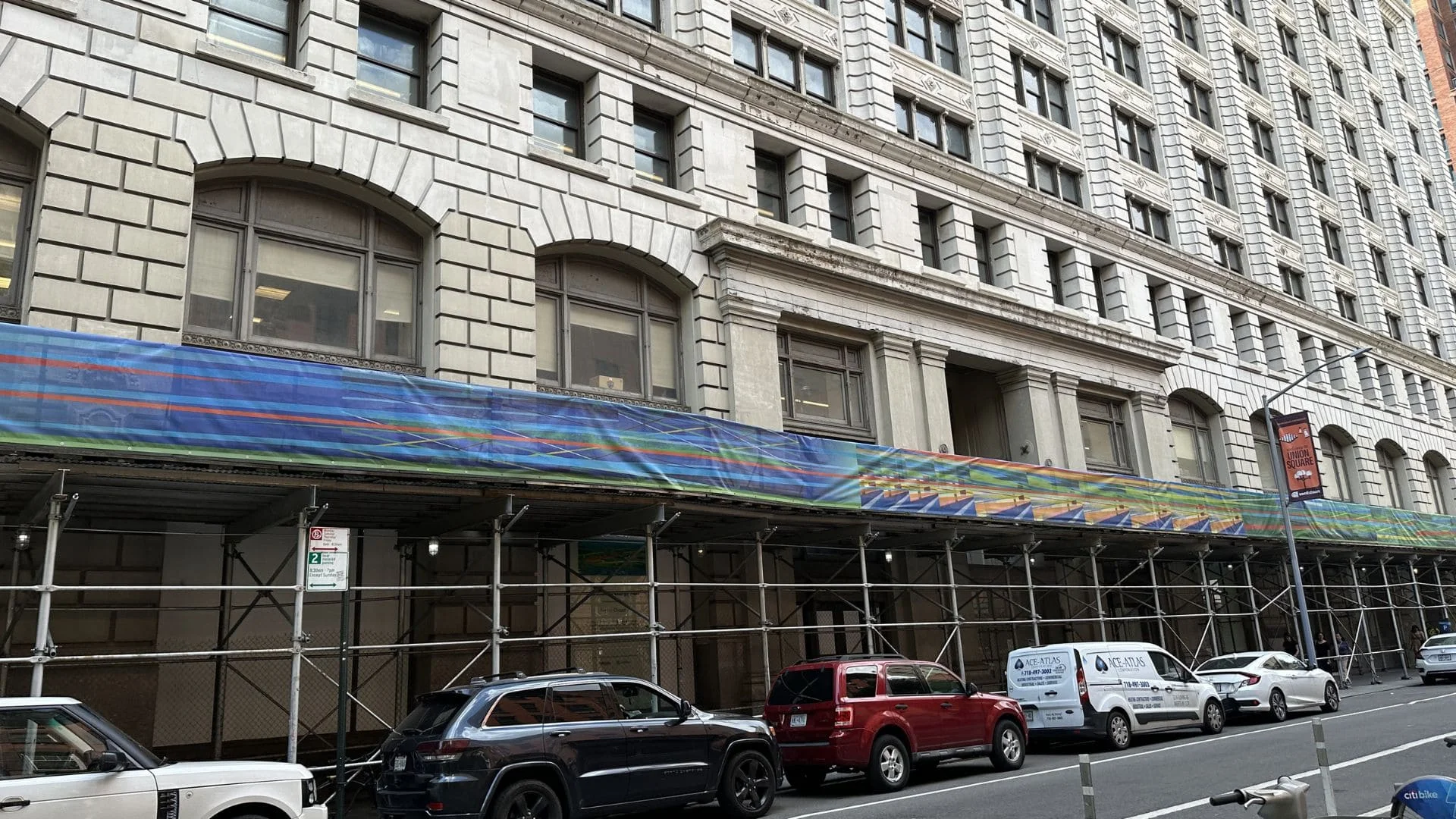
Most jersey barrier installations on NYC streets require permitting through NYCS treets and may require an OCMC-approved Maintenance & Protection of Traffic (MPT) plan. To avoid inspection failures and OCMC stop-work orders, we execute the DOT filings, MPT site plans, and traffic-control coordination to keep permits active and projects moving.
Every borough comes with its own permit quirks, traffic patterns, and access headaches. Here’s how we handle each one
Midtown deliveries usually mean after-hours variances and tight curb windows. We've staged barriers along 6th Avenue Local Law 11 jobs where the truck had a 90-minute unloading slot, period.
A lot of our Brooklyn work is DEP water-main and Con Ed cut support. Park Slope and Williamsburg jobs almost always involve lane shifts mid-rental, so we build the MPT plan around the re-set, not just the initial drop.
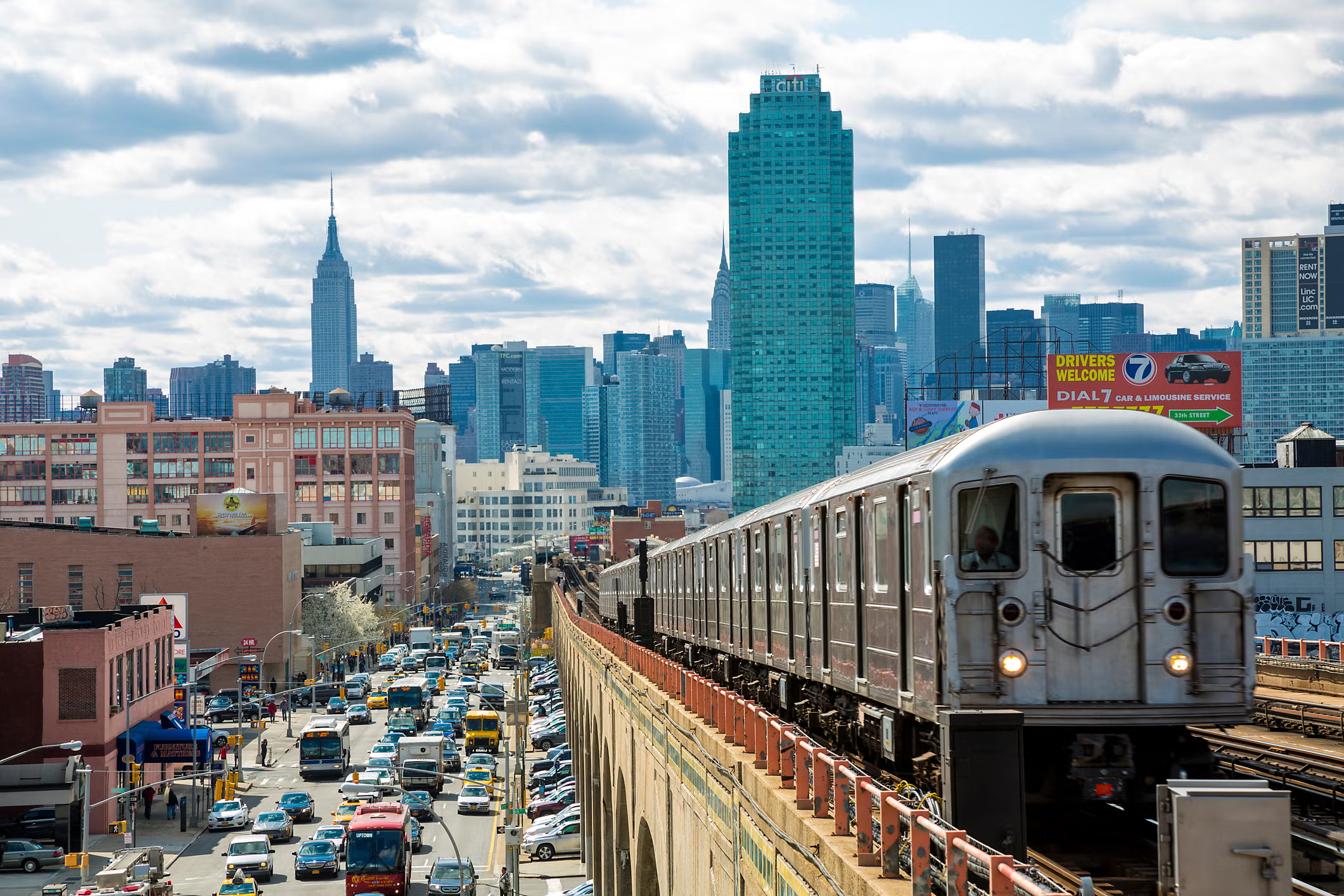
Roadway reconstruction along Queens Boulevard and the DEP corridors keeps a chunk of our fleet here year-round. Long-duration rentals, multiple barrier moves, one point of contact.
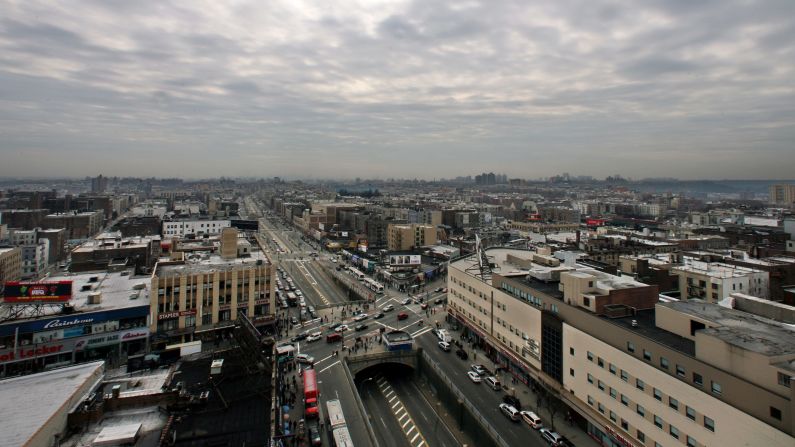
Major Deegan and Cross Bronx work is highway-grade. MASH TL-3 isn't optional there, and DOT inspectors check.
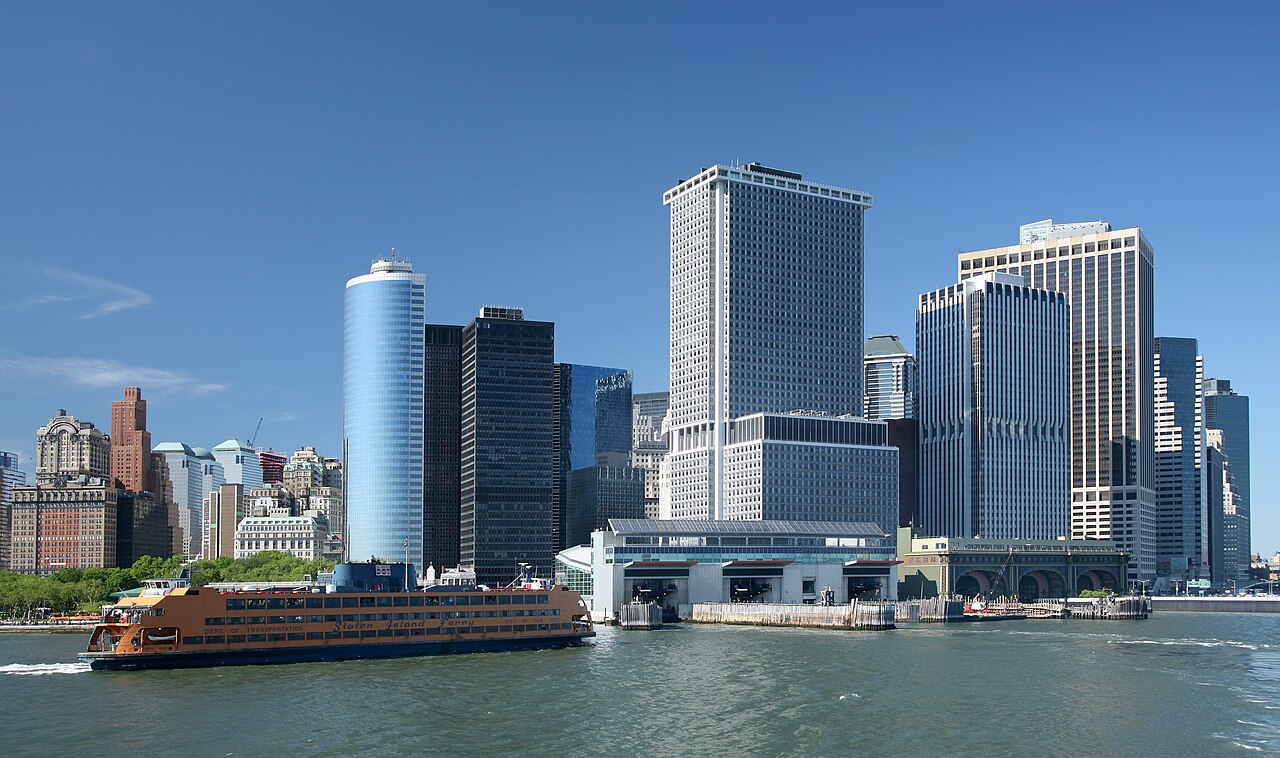
South Shore roadwork and the ferry-terminal area are the usual calls. Access logistics are often the primary challenge here, so we send our own pinning crew rather than relying on site equipment.
QEWI UNSAFE determinations, vehicle strikes, and emergency roadway closures often require immediate traffic protection before permanent repairs begin.
Call our emergency dispatch at (516) 464-1764 for on-the-fly OCMC coordination and After-Hours Variance filings so you can secure your perimeter and keep your crew working. Your site stays protected and compliant until permanent traffic-control measures are in place.
Jersey barriers are easy to drop on a site and easy to get wrong on permit, placement, and crash rating. 24Seven Sidewalk Shed supplies MASH TL-3 rated barriers, handles your NYC DOT permit and MPT plan, and integrates barrier placement with any sidewalk shed or scaffolding work already on the site.
Yes. You need a Building Operations/Construction Activity Permit via NYCStreets. We manage the entire filing process as part of our rental package.
Pricing ranges from $75–$200 per barrier/month as a general guideline. Final pricing depends on barrier type, rental duration, delivery requirements, permit needs, and site access. We provide a fixed-fee written quote after reviewing the project scope.
NCHRP-350 is obsolete. MASH TL-3 is the current FHWA crash-test standard. If you try to use older NCHRP-350 units on a DOT-regulated job, you risk failing your inspection. We only keep MASH TL-3 stock in our yard so your project stays compliant.
Yes. Even though the Winter Moratorium (Dec 1 to Mar 31) shuts down most street excavations, protective measures like jersey barriers and sidewalk sheds are exempt. We keep them up through the winter to maintain site safety and compliance.
Use concrete for roadside crash protection. It’s MASH TL-3 rated and won't shift on impact. Choose water-filled plastic only for light-duty pedestrian channelization where heavy equipment can't reach. If your DOT permit requires vehicular protection, concrete is mandatory. We verify your site’s specific requirements before delivery.