(516) 464-1764
contact@24sevensidewalkshed.com
Updated: June 2026
Regulatory Basis: Local Laws 47–51 of 2025
Following the “Get Sheds Down” reforms (Local Laws 47–51), NYC has shifted sidewalk shed and facade repair mandates from passive cycles to enforcement-driven milestones. This guide highlights your obligations under current DOB rules and the operational steps required to maintain compliance.
Key Takeaways
What is FISP in NYC?
FISP (Facade Inspection & Safety Program) is a NYC DOB requirement mandating exterior wall inspections every five years for buildings over six stories. These cycles are the established regulatory standard.
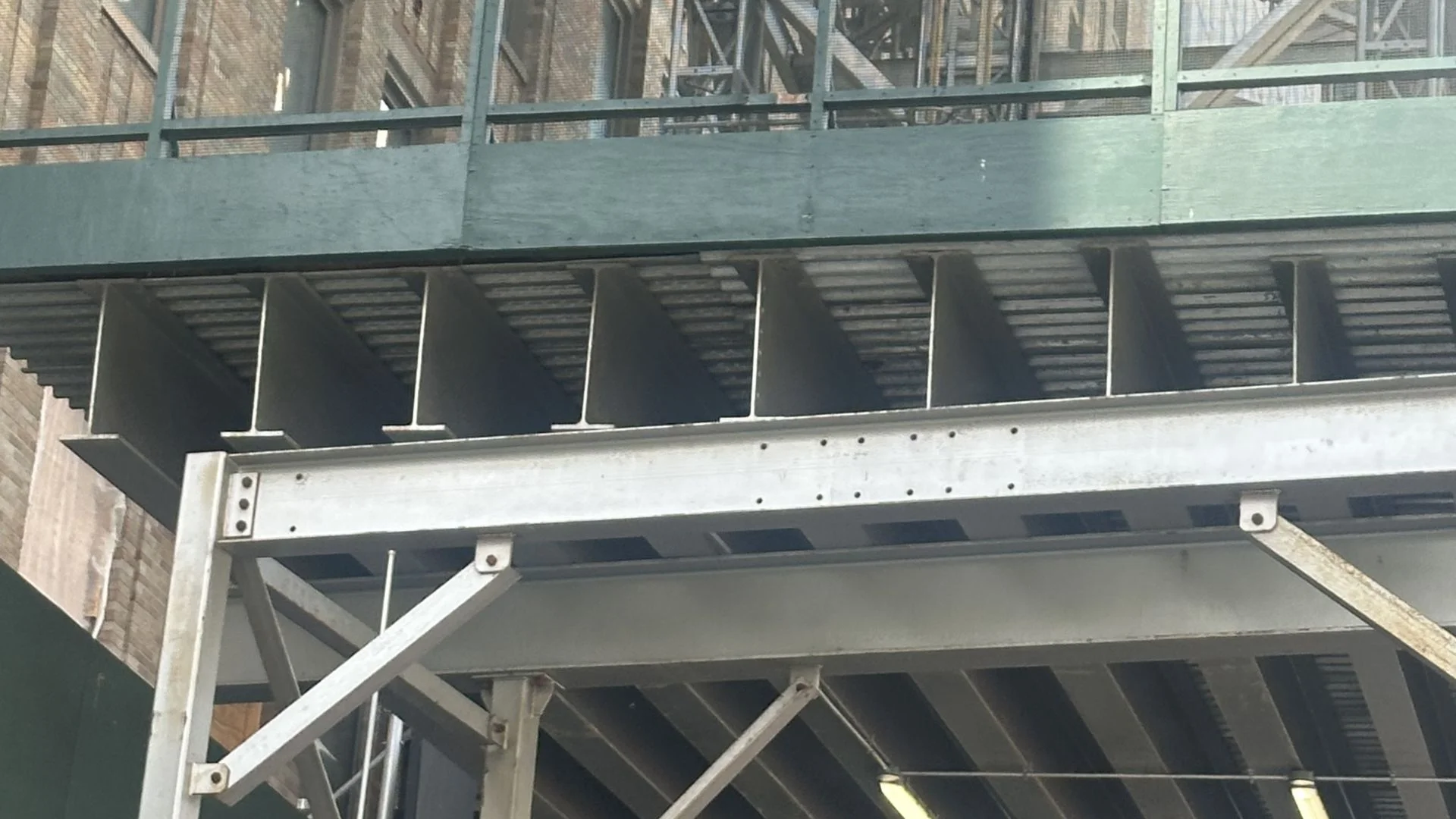
Local Law 11 of 1998 expanded the inspection program first created under Local Law 10 of 1980.
FISP applies to any building exceeding six stories above a basement (cellars are excluded) per NYC Administrative Code §28-302.
Important: The Annual Parapet Rule
From 2024, all buildings fronting a public right-of-way must have their parapets checked every year, no matter the building’s height. Detached one- and two-family homes are exempt, but everyone else needs to stay on top of this. You don’t need to hire a professional engineer; a “competent person” like your super, a mason, or a contractor is qualified to do the walkthrough. Keep the signed records for six years, as the DOB can ask to see them at any time. If you spot something dangerous, you must put up safety protection right away and report it to the DOB by calling 311.
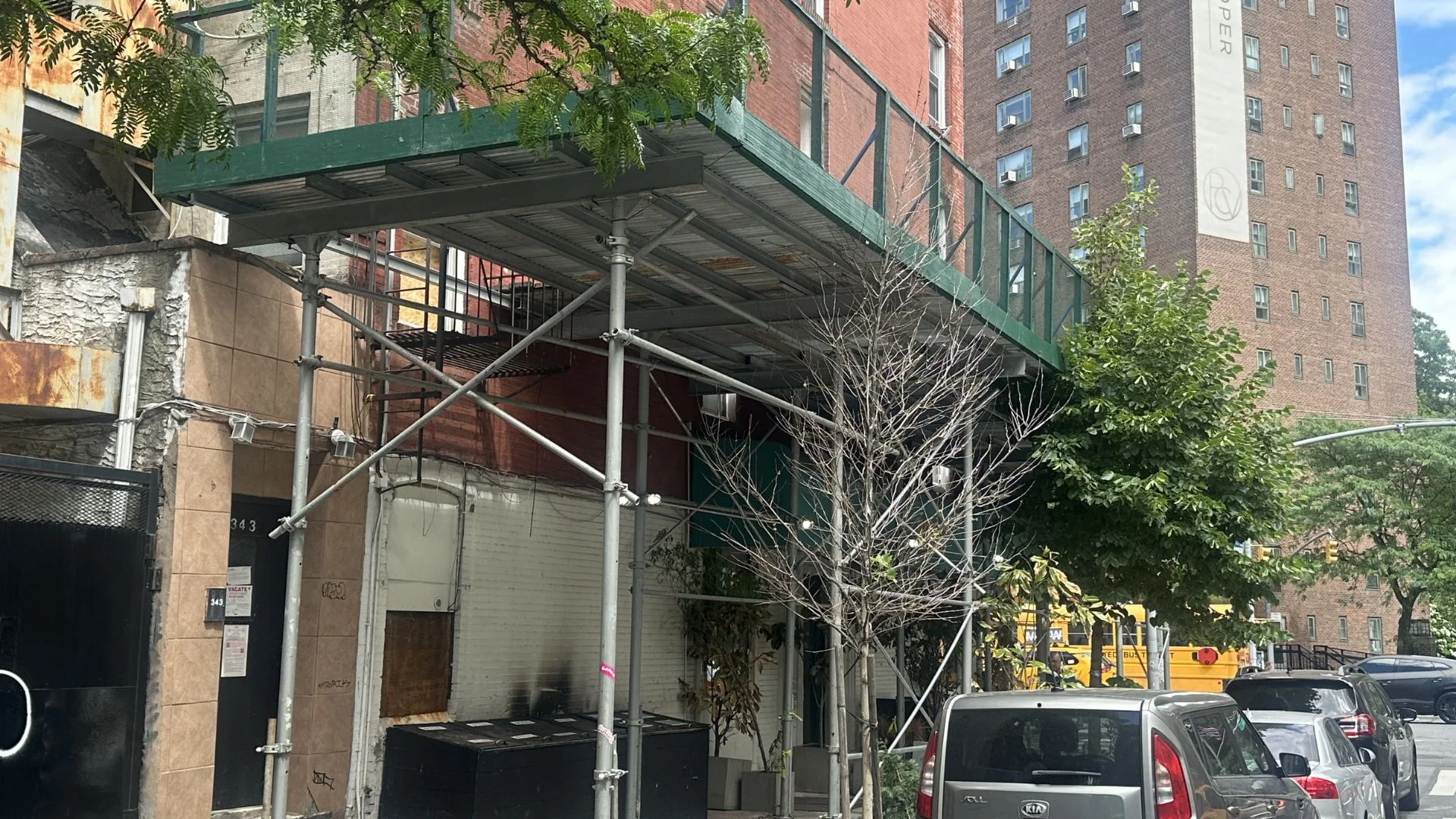
Once a sidewalk shed permit is issued in the public right-of-way following an UNSAFE filing, Local Law 51 starts a strict milestone clock. Missing any of these milestones triggers civil penalties ranging from $5,000 to $20,000 per violation.
Example Timeline:
A 12-story co-op receiving an UNSAFE designation in early 2026 would need construction documents filed by mid-year and permits secured by fall to stay clear of LL51 civil penalties.
Managing these milestones is exactly what we do! Call us at (516) 464-1764.
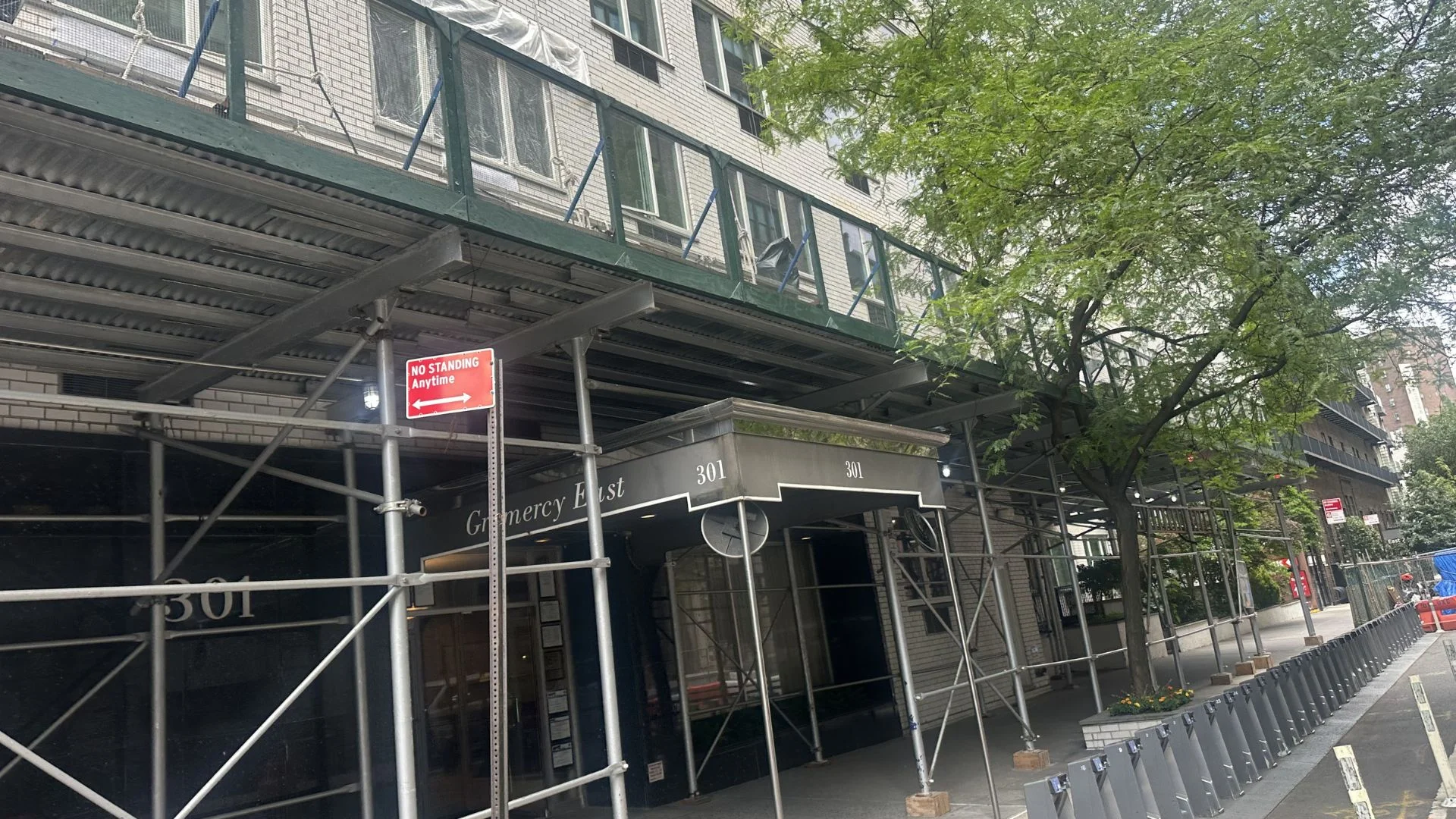
Your FISP Cycle 10 filing deadline depends on the last digit of your building’s tax block number, which assigns your property to a specific sub-cycle.
Sub-cycle | Block Numbers Ending In | Filing Window |
10A | 4, 5, 6, or 9 | Feb 21, 2025 – Feb 21, 2027 |
10B | 0, 7, or 8 | Feb 21, 2026 – Feb 21, 2028 |
10C | 1, 2, or 3 | Feb 21, 2027 – Feb 21, 2029 |
Filing early in your window leaves room to correct rejections without late-filing penalties ($1,000/month).
Not sure which sub-cycle your building falls into? Request a Cycle 10 compliance review to confirm your exact FISP filing window.
Already in a SWARMP condition? Request a QEWI inspection to confirm required repairs before it escalates to an UNSAFE filing.
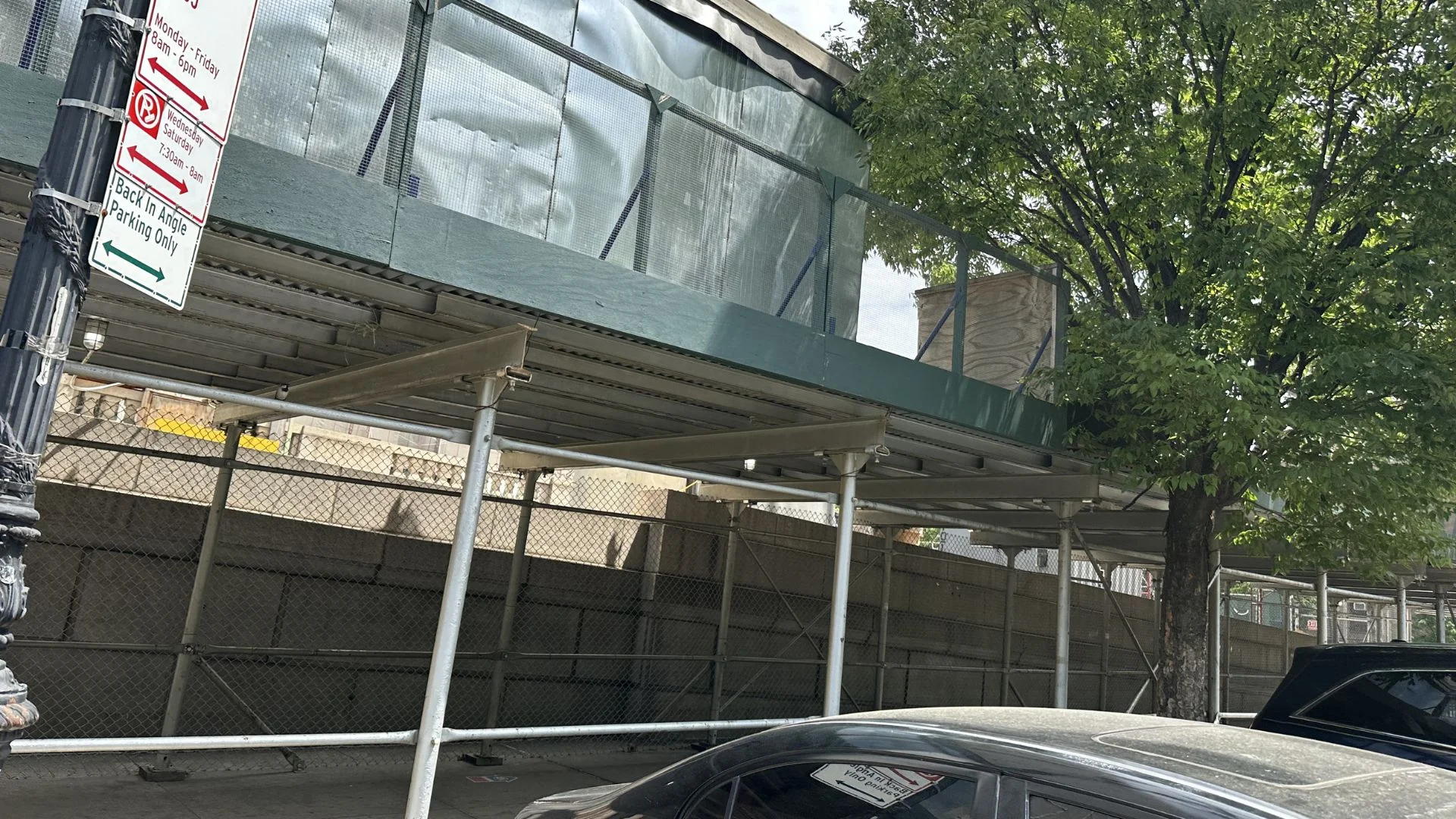
Effective August 15, 2025, new sidewalk shed installations must meet updated design.
Location | Requirements |
Under-shed | 1.5 foot-candles |
Transit area | 5 foot-candles |
Residential Shielding | Within 20 ft |
Unsure if your site qualifies for netting instead of a full shed? Talk to our facade protection team.
Local Law 49: This law directs the DOB to study potential future extensions to inspection intervals, but no changes have been enacted as of June 2026. Your Cycle 10 filing deadline is legally binding today and remains strictly in force.
24Seven Sidewalk Shed & Scaffolding manages the operational chain from the moment you receive an UNSAFE filing. We regularly support facade restoration and Local Law 11 projects throughout Manhattan, Brooklyn, Queens, the Bronx, and Staten Island.
Received an UNSAFE filing? Get an immediate assessment for your site protection.
Speak with our facade protection team for immediate UNSAFE response support. Contact us at (516) 464-1764.
Potentially. Local Law 47 allows for containment netting in lieu of sheds in specific low-traffic areas. Your QEWI must approve this in their report, and it must meet DOB safety standards.
Repairs are typically treated as "common elements" and funded through the co-op’s capital reserve fund or a special assessment, depending on the building’s proprietary lease and bylaws.
It depends on your ground floor: if it is a basement (more than 50% above curb level), it counts as a story, making your building subject to FISP. If it is a cellar (more than 50% below curb level), it does not count as a story and you are exempt. Older records can be inaccurate, so it is best to have a QEWI verify your actual building height.
You can request a "re-inspection" if you believe the QEWI erred, but the DOB rarely overrides a safety filing. The fastest path to shed removal is almost always to remediate the condition and file the amended report.